HaHaHa No Funny Quote Embroidery Design Review
As a designer who frequently evaluates machine embroidery files for real-world use, I’m always on the lookout for designs that not only look good on screen but also translate well into tangible products. The HaHaHa No Funny Quote SVG cut file by Caty Catherine caught my attention for its bold, humorous tone and clean layout. In this review, I’ll walk you through how this design performed in various practical scenarios, what to watch out for, and whether it’s worth adding to your craft business or custom apparel projects.
First Impressions: Humor with Purpose
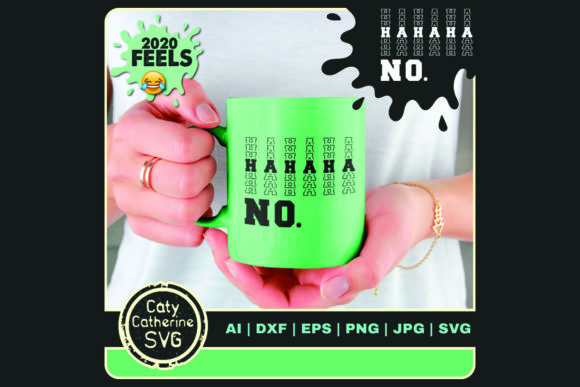
The HaHaHa No Funny Quote has a clear visual personality right from the start. It’s a quote-style graphic that uses stylized text to deliver a lighthearted message — perfect for someone who wants to add character without being too loud. The font is modern and playful, which gives it a casual yet sophisticated vibe. Unlike many other SVG cut files in the crafts and graphics category, this one doesn’t rely on clip art or overly complex illustrations; instead, it focuses on typography and minimalism. That makes it versatile for a range of embroidered items.
Visually, the design feels like it was made for sweatshirt embroidery or tote bag design. Its straightforward composition allows it to stand out without overwhelming the viewer. As an embroidery project, it suggests a mix of satin stitch and running stitch techniques, depending on how it's applied. The lack of intricate details means it won't get lost in translation when stitched onto fabric, which is a big plus for hobbyists and small shop product creators alike.
Real-Life Application: Tote Bag Project Test
I recently used the HaHaHa No Funny Quote on a custom tote bag for a local boutique order. The client wanted something fun and memorable for their spring collection. After importing the digital embroidery file into my software, I resized it to fit within a 6x8 inch hoop size — just enough to let the message breathe while maintaining clarity.
On a medium-weight cotton canvas, the design stitched beautifully. The contrast between the thread colors and the fabric was strong, making the text pop. It worked especially well as an applique design using white-on-white stitching over a darker background. The simplicity allowed me to experiment with different color palettes and even layer it with subtle fill stitches beneath to give it more depth.
Customers loved the humor and the clean aesthetic. It felt like a personal touch rather than mass-produced branding, which boosted the perceived value of the finished product. For an Etsy seller or handmade shop owner, this kind of reaction can mean the difference between a sale and a pass.
What Stood Out?
- Visual appeal: The design adds a cheeky charm to any item without being garish.
- Stitch clarity: Because there are no tiny lettering elements or overly detailed corners, it maintains crisp edges across multiple fabric types.
- Product value: When applied correctly, it elevates the presentation of personalized gifts and small shop products.
- Customer trust: The design looks professional and intentional, which builds credibility in handmade product offerings.
- Brand consistency: It fits well into a lifestyle or boutique brand that leans into casual, witty style.
Where This Design Shines
The HaHaHa No Funny Quote is particularly effective on larger surfaces like tote bags, sweatshirts, aprons, and pillow covers. These are common items for both personal and commercial embroidery projects, and the design adapts well to them. I found that using it on a baby clothing line as part of a matching set (t-shirt and hat) gave a cohesive, humorous feel that parents appreciated.
For holiday gifts or nursery decor, this design could be paired with simple shapes or icons to create a balanced composition. The key is that it doesn’t require much embellishment to make an impact. Whether it's stitched alone or combined with other elements, it holds its own and contributes to a professional-looking finished product.
Best Suited For:
- Custom apparel with a modern twist
- Tote bags and backpacks for retail or gifting
- Baby clothes and accessories for a playful nursery theme
- Embroidered patches for caps, jackets, or denim
- Printable mockups for digital product sellers
- Commercial embroidery in small batches or wholesale orders
Designers' Notes: What to Watch For
While the HaHaHa No Funny Quote works great in most cases, there are a few considerations to keep in mind before finalizing your embroidery project. Here are some tips based on my experience:
Fabric Texture and Thread Contrast
This design benefits from high-contrast thread colors. If you're working on dark fabric, ensure your thread choice provides enough visibility. On textured fabrics like linen or twill, the stitches might appear slightly uneven, so test it first on scrap material. Using proper stabilizer is essential here to prevent puckering and maintain stitch integrity.
Hoop Size and Stitch Density
Although the design isn’t overly large, I recommend confirming the recommended hoop size before cutting or stitching. Since the file includes formats like EPS and AI, you can easily scale it down if needed. However, if you go too small, the visual punch may diminish. Also, check the stitch density settings — overly tight stitches could cause distortion, especially on stretchy materials like knits.
Small Hoop Sizes and Curved Surfaces
If you're planning to embroider this design on a curved surface like a cap or hat, take extra care with positioning and scaling. The design should be centered properly and tested for how it wraps around the curve. Small hoop sizes might also compromise the legibility of the text, so avoid shrinking it beyond reasonable limits unless you’re confident in your machine’s capabilities.
Detailed Corners and Decorative Accents
There aren’t any extremely fine details in this design, which is a relief for hobbyists. But if you choose to add decorative accents like borders or floral elements around it, those will need careful planning. Make sure they don’t overshadow the main message or complicate the overall look of the embroidered patch or tote bag design.
Testing Before Production
Before committing to a full run, I always suggest testing the design on scrap fabric. Run black and white mockups to see how it reads without color. Try it on light and dark backgrounds to understand how thread choices affect visibility. And don’t forget to inspect the edges and corners post-stitching — even minor imperfections can distract from the final product.
Use Cases to Avoid or Approach Carefully
Though the HaHaHa No Funny Quote is a solid addition to most embroidery projects, it may not be the best fit for every situation. Here are a few where I’d proceed with caution:
- Thin or stretchy fabric: The design relies on clean lines and consistent tension. Stretchy materials may distort the shape, and thin fabrics can show through the back if not stabilized correctly.
- Products that need frequent washing: While the design itself is durable, frequent laundering can wear down thread quality, especially if the colors are bright or synthetic.
- Very small hoops: Scaling the design too small could reduce its readability and charm. Keep it at least 4 inches wide for optimal results.
- Layered garments: If you plan to stitch it on a jacket with multiple layers or a lined tote, consider adjusting the stitch length and using a wash-away stabilizer to avoid bulkiness.
Final Thoughts for Crafters and Business Owners
In short, the HaHaHa No Funny Quote is a reliable and adaptable design that can enhance your handmade product lineup. Whether you're an Etsy seller looking to differentiate your tote bag design or a small shop owner aiming to create unique sweatshirts for boutique branding, this design brings a sense of wit and professionalism to the table.
It’s not just about aesthetics — it’s about creating a product people want to buy. The right embroidery design can turn a basic item into a standout piece, and this one does that subtly. Just remember to account for fabric type, thread contrast, and hoop size when incorporating it into your next project.
If you're considering selling finished items or digital embroidery files featuring this design, be sure to confirm licensing terms. As with any commercial embroidery project, respecting usage rights is key to avoiding legal issues down the line.
All in all, the HaHaHa No Funny Quote is a smart pick for anyone in the craft business looking to inject personality into their work. Just approach it with the same thoughtful process you'd apply to any design asset, and you'll be rewarded with a product that feels both handcrafted and market-ready.