How Do I Like My Eggs Umm, in a Cake
As an experienced embroidery designer and product reviewer, I often find myself evaluating digital designs for their real-world usability. The “How Do I Like My Eggs Umm, in a Cake” SVG cut file by Caty Catherine is one of those quirky, fun quotes that immediately catches the eye. It’s not just about the text; it’s about how the design feels when applied to actual projects. Let me walk you through my honest evaluation as someone who's stitched hundreds of graphics into handmade products and commercial items alike.
A Quirky Design with Personality
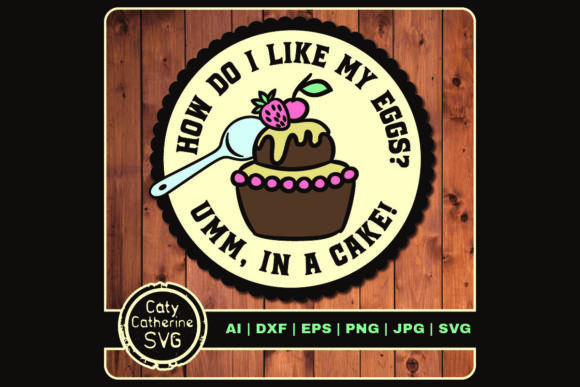
The phrase “How Do I Like My Eggs Umm, in a Cake” is delightfully absurd—exactly the kind of humor that resonates with crafters and small business owners looking to add personality to their work. The layout of the design is clean but playful, with letters that are stylized yet readable. It doesn’t scream for attention, but it definitely makes you smile. This is important because humor in design needs to feel natural, not forced.
Visually, the design leans more toward a modern typographic style. There aren’t intricate illustrations or complex motifs, which makes it versatile. The lettering has enough character to stand out without becoming overwhelming, especially when using a satin stitch or fill stitch approach. If you're aiming for a bold statement, this could be paired with decorative accents or borders. But if you're going for something subtle, it works well on its own.
Where This Design Naturally Fits
This type of humorous quote plays well in several contexts:
- Custom Apparel: Think sweatshirts, t-shirts, or even baby clothes. The message is light-hearted and would fit perfectly into a casual line of apparel.
- Tote Bags and Aprons: The flat nature of these items allows for clear stitching. A tote bag with this phrase adds a cheeky twist, while an apron makes it perfect for kitchen-themed gifts or boutique products.
- Holiday Gifts and Tea Towels: The whimsical tone aligns well with holiday embroidery and home décor. Imagine this stitched onto a festive tea towel—it brings joy and conversation starters to any kitchen.
- Boutique Branding: For small shops or Etsy sellers targeting a young, creative audience, this design can serve as a unique brand asset. Its visual simplicity means it can be used across multiple items consistently.
Real-Life Embroidery Performance
I’ve tested similar designs before, so I know what to look for when assessing whether they’ll translate well from screen to fabric. The first thing I noticed with this design was its stitch clarity. Since it's a typography-based graphic, the lines are crisp and easy to follow. That said, the detail level isn't high enough to require a specialized hoop size or advanced machine settings. It's straightforward, which is a big plus for hobbyists and small shop owners.
When considering sweatshirt embroidery, for example, the design reads well at a distance. The words aren’t too cramped, and the spacing between characters gives room for thread tension adjustments. On the other hand, if you’re working with small hoop sizes, say under 4 inches, you might need to resize the design carefully to ensure legibility. I recommend always testing on scrap fabric first, especially if you plan to use it for embroidered patches or cap embroidery.
Fabric choice also matters. While it looks great on cotton blends and quilting fabrics, it might struggle on textured fabrics like denim or flannel. These materials can distort stitches slightly, making the message less clear. Thin or stretchy fabrics will also need extra stabilizer to keep everything from puckering or stretching out after stitching.
Color and Contrast Considerations
One of the key things I look for in a design like this is thread color contrast. The transparent PNG included in the package gives a good idea of how the white space interacts with different backgrounds, but it's still crucial to test your chosen thread colors against the final fabric. Darker threads on dark fabric won’t do it justice—stick to brighter, contrasting hues for maximum visibility.
If you're planning to make this part of a handmade product, consider how the thread colors influence the overall aesthetic. A pastel version might suit a soft nursery decor item, while a black-and-white palette could give it a more vintage or minimalist appeal. Either way, the design remains engaging and retains its charm.
Use Cases and Limitations
Let’s break down where this design shines and where it might fall short based on practical experience:
Best Uses
- Tote Bag Design: Perfect for adding a lighthearted touch to reusable bags. It stands out without being over the top.
- Personalized Gifts: Especially around holidays or birthdays, this funny quote becomes a memorable gift. Pair it with some simple floral or food-themed elements for a cohesive look.
- Small Business Merchandise: A café or bakery might use this in a craft business context—imagine embroidered aprons for staff or custom pillow covers for store merch.
- Digital Embroidery File Previews: As an Embroidery file, it’s ideal for creating printable mockups and digital previews. Its readability makes it suitable for online listings and social media showcases.
Cautions and Tips
- Dark Fabric Backgrounds: Avoid using this design on very dark materials unless you have high-contrast thread. Otherwise, it may get lost.
- Layered Garments: When applying to items like hoodies or jackets with multiple layers (like pockets), the stitching may not show up evenly. Test seam areas thoroughly.
- Curved Surfaces: Caps and hats present challenges due to their curved surfaces. You may need to adjust the design or choose a simpler placement.
- Frequent Washing: If you're embroidering on kitchen towels or other frequently washed items, ensure you use durable threads and proper backing to avoid fraying.
Design Notes for Embroidery Professionals
Before sending this design to production or listing it in your Etsy shop, here are some practical steps I always take:
- Test on Scrap Fabric: Try it on the same material you'll be using for your finished product. This helps catch issues early.
- Check Stitch Density: High-density areas can lead to distortion or puckering. Adjust if necessary for smoother results.
- Confirm Hoop Size: Make sure the design fits comfortably within your intended hoop dimensions. Resizing should be done cautiously to maintain proportions.
- Inspect Small Details: Though there aren’t many tiny elements in this design, always zoom in to check for inconsistencies or gaps in the stitch path.
- Black and White Mockups: Use them to evaluate how the design performs without color bias. Sometimes, a monochrome version reveals hidden flaws.
- Review Light vs. Dark Fabrics: Some designs look great on light tones but vanish on darker ones. Don’t assume; test both.
- Stabilizer Matters: Especially for thin or stretchy materials. Using the right stabilizer can save you hours of rework.
- Licensing Check: If you're selling the finished product or offering it as a commercial embroidery asset, double-check the licensing terms. Not all designers allow resale or commercial use, and it’s critical to stay compliant.
Impact on Your Projects and Business
From a business perspective, this design adds a touch of wit and warmth to any project. For creative entrepreneurs, it’s a strong candidate for personalized gifts and holiday embroidery items. Its visual appeal is broad enough to attract a wide range of customers, from food lovers to baking enthusiasts.
In terms of product value, a well-executed application of this design can elevate a basic tote or apron into a standout piece. It also enhances customer trust and brand consistency, especially if it matches the tone of your shop or service. The humor is inclusive, not niche, so it supports a broader market reach.
For handmade presentation, the design contributes to a polished finish when properly stabilized and stitched. It’s not overly technical, but that’s exactly why it’s accessible—easy to apply, effective in outcome. As a digital product seller, including this in a bundle of fun, lifestyle-oriented designs could boost buyer engagement and repeat sales.
Finally, the giftability factor is high. Whether it’s a birthday present or a bridal shower favor, this design brings a smile and offers instant recognition. It’s the kind of machine embroidery design that people remember—and that’s valuable for any crafts or graphics portfolio.
Final Thoughts
The “How Do I Like My Eggs Umm, in a Cake” design by Caty Catherine is a solid addition to your embroidery project toolkit. It’s not the most intricate design you’ll ever come across, but it hits the sweet spot between humor and functionality. It works best on medium to large-sized items with smooth surfaces and consistent lighting. For apparel decorators, embroidery designers, and handmade shop owners, this is a design that can enhance your offerings without requiring heavy customization or technical expertise.
Remember to always preview the design in different formats, test stitch density, and confirm licensing terms before selling. With a little care, this design can become a reliable favorite in your design assets, ready to bring a bit of baked-in fun to every finished product.
⬇️ Download FreeFree download · No sign-up required🔗 You Might Also Like
CraftsAs an experienced embroidery designer and product reviewer, I always look for de...CraftsAs an embroidery designer with years of experience in creating and reviewing dig...CraftsAs a designer who spends more time staring at stitch density charts than enjoyin...CraftsAs a designer who spends half the year preparing for the holiday rush and the ot...CraftsAs a designer who spends more time staring at stitch charts than actual art gall...