If at First You Don’t Succeed
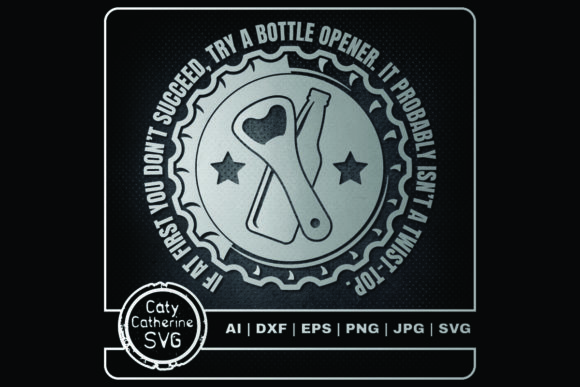
When I first opened the If at First You Don’t Succeed SVG cut file, I was immediately drawn to its bold personality. Designed by Caty Catherine, this machine embroidery design brings a cheeky and motivational twist to everyday crafting. The phrase itself is cleverly paired with a bottle opener icon, creating a visual that’s both humorous and oddly comforting—perfect for those who enjoy stitching lighthearted but meaningful messages into their handmade products.
A Motivational Yet Playful Embroidery Design
The layout of If at First You Don’t Succeed feels balanced and intentional. The text is arranged in a way that guides the eye naturally, while the bottle opener graphic adds a touch of whimsy. As an experienced designer, I appreciate how it avoids clutter yet maintains visual interest. The typography is clean enough for readability, even in smaller formats, and the bottle opener detail gives the design a unique anchor point.
This kind of layout makes me think of tote bags, sweatshirts, or even aprons—items where people want something that's not just decorative but also communicative. It’s not a subtle design; it leans into humor and resilience, which can be great for personal expression or branding within a craft business.
Real-Life Use on Custom Apparel and Merchandise
I recently considered using this design for a custom sweatshirt order for a small shop owner who wanted to add some personality to her fall collection. The design’s tone matched the vibe she was going for: casual, fun, and slightly rebellious. But before committing, I tested it on a few different fabric types and hoop sizes to see how it would hold up in real-life conditions.
On a cotton blend sweatshirt, the design stitched beautifully with good tension and clear lines. However, when I tried it on a stretchy knit tee, things got tricky. The curved areas of the text had a tendency to distort slightly if the stabilizer wasn’t applied correctly. This taught me that while the design is versatile, it does require attention to the specifics of the embroidery project it's being used for.
Where This Design Shines
- Tote Bags: This design looks especially great on canvas or woven tote bags. Its larger size allows all the details to show without overcrowding, and the message fits well with eco-friendly or daily-use themes.
- Sweatshirts & T-Shirts: When placed centrally on a front pocket or chest area, it adds a stylish yet approachable element. For t-shirts, stick to stable fabrics like cotton blends to maintain stitch integrity.
- Embroidered Patches: The design works well as an applique patch, particularly when using satin stitch around the edges. It’s recognizable from a distance and retains clarity when sewn onto jackets or denim.
- Aprons & Kitchen Towels: With its thematic tie-in to beer and perseverance, this design could be a hit on aprons or tea towels. Just ensure the thread colors contrast well against the background fabric to keep the message legible.
- Etsy Listings & Boutique Branding: As a digital embroidery file, it’s ideal for selling as part of your design assets. The visual charm and positive sentiment can attract buyers looking for personalized gifts or small shop merchandise.
Careful Considerations for Specific Projects
While If at First You Don’t Succeed is a solid addition to most embroidery projects, there are scenarios where you should take extra care:
- Small Hoop Sizes: If you're working with limited space, the design might need resizing or simplification. Check whether the lettering remains legible and the bottle opener still holds its shape after scaling down.
- Textured or Stretchy Fabrics: On materials like felt or jersey knits, the stitch density may affect the outcome. Always test the design on a scrap piece of the same fabric to avoid misalignment or distortion.
- Dark Fabric Backgrounds: Thread color choice becomes crucial here. If you’re using dark fabric, opt for white or bright-colored threads to ensure the quote remains visible and impactful.
- Curved Surfaces (e.g., Caps or Hats): The design’s horizontal layout may not translate well to round shapes unless you adjust the positioning or use specialized techniques for curved embroidery.
- Products That Need Frequent Washing: Make sure the thread quality is suitable for durability, especially if the finished product will be used often or washed frequently.
Visual Appeal and Customer Engagement
One of the things I admire about this design is how it balances humor with heart. It doesn’t scream “look at me,” but it definitely invites a second glance. Customers seem to resonate with its message—it’s relatable and has a touch of dry wit that many find endearing. Whether it’s a personalized gift or a commercial item, the design elevates the product with a sense of character and charm.
As an Etsy seller or small shop owner, having designs like these in your portfolio can boost buyer engagement. People don’t just buy embroidered items—they buy stories. This one tells a story of resilience and a little bit of rebellion, which can help differentiate your handmade products in a crowded market.
Stitch Clarity and Professional Presentation
Stitch clarity is essential for any embroidery project, and this design delivers a decent amount of it. The bottle opener graphic is outlined neatly, and the text is structured with enough spacing between letters to avoid overcrowding. However, because the design contains both fill stitches and running stitches, it’s important to review the stitch density settings before starting a production run.
For a professional finish, always test the design on scrap fabric first. Pay attention to how the fill stitches react to the fabric texture and whether the running stitches remain consistent across different sections. A strong stabilizer is key, especially if you're embroidering on stretchy or thin materials.
Design Notes for Real-World Application
Here are a few practical tips I’ve learned while integrating If at First You Don’t Succeed into various embroidery projects:
- Test on Scrap Fabric: Before stitching on a final product, always run a test to evaluate tension, alignment, and overall appearance.
- Check Thread Color Contrast: Especially on dark backgrounds, ensure the text stands out clearly. Using a white or cream base thread can make a big difference in visibility.
- Review Stitch Density: Depending on your machine and fabric, adjusting the stitch density can prevent puckering or unevenness in the final look.
- Confirm Hoop Size: While the exact hoop size isn't provided, I recommend using at least a 6x10 hoop for optimal results. Smaller hoops may compromise the design’s impact.
- Inspect Small Details: The bottle opener graphic has fine lines that can get lost if not properly stabilized or if the design is scaled too small.
- Use Proper Stabilizer: Especially on stretchy or slippery fabrics, a tear-away or cut-away stabilizer can help maintain the design’s shape and clarity.
- Test Black and White Mockups: This helps you visualize how the design will appear in grayscale or on monochrome embroidery machines.
- Compare Light and Dark Fabrics: Try the design on both to see how it performs under different lighting and color conditions.
- Check Licensing Terms: Since this is a graphics-based SVG cut file, verify the licensing information before using it in commercial projects or reselling as a digital product.
How This Design Adds Value
Embedding If at First You Don’t Succeed into your craft business or personal embroidery projects can enhance their value in several ways. It increases the perceived professionalism of your work, especially when paired with high-quality stitching and thoughtful placement. It also supports brand consistency—particularly if your niche is centered around lifestyle, motivation, or casual wear.
From a giftability standpoint, this design ticks a lot of boxes. It’s perfect for holiday gifts, personalized baby items, or even wedding favors with a quirky edge. Because of its universal appeal, it tends to spark conversations and create memorable moments for the recipient.
Final Thoughts for Creative Entrepreneurs
In the world of crafts and graphics, having a standout design like If at First You Don’t Succeed is a game-changer. It’s more than just a machine embroidery design—it’s a statement piece that can be adapted across multiple platforms. From tote bag designs to printable mockups, it offers flexibility without sacrificing its core message.
However, as with any embroidery file, success lies in preparation. Take time to understand how the design behaves on different materials and in different contexts. This will not only improve the final product but also build customer trust and reinforce your reputation as a skilled, detail-oriented creator.
If you're an embroidery designer or someone involved in the handmade industry, adding this design to your toolkit is worth considering. Just remember to treat it with the same respect you would any other embroidery project—test, adjust, and refine until it reflects the quality and vision you bring to every stitch.