Money Spent on Craft Supplies: A Designer’s Perspective
As an experienced embroidery designer and product reviewer, I always approach a new design with curiosity and a critical eye. When I first opened the Money Spent on Craft Supplies SVG cut file by Caty Catherine, I was struck by how it immediately evokes a playful yet professional tone—perfect for crafters who want to add personality without overdoing it. This is not just another funny quote; it’s a statement that resonates deeply within the creative community.
First Impressions: Mood and Visual Personality
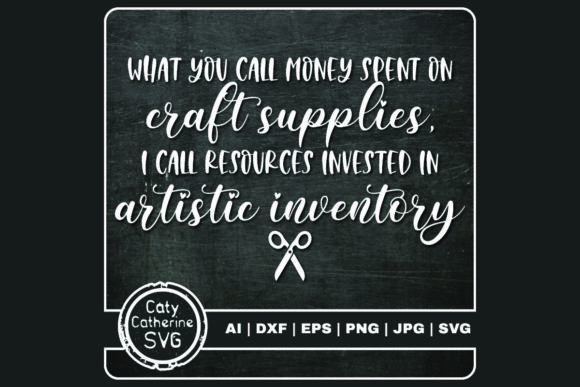
The phrase “What You Call Money Spent On Craft Supplies, I Call Resources Invested In Artistic Inventory” is cleverly worded and visually balanced in this design. The layout feels intentional, with clear spacing between letters and a friendly, approachable font style that suggests a mix of humor and heart. It's the kind of message that makes a handmade product feel more like a badge of honor than a frivolous expense.
I found myself imagining it stitched onto a tote bag or printed as part of a digital embroidery preview. The visual flow works well, and the shape of the text is easy to follow, which is crucial when considering how it will look after stitching. The level of detail is moderate but sufficient—no unnecessary embellishments that might complicate the embroidery process. This gives it a clean and versatile appearance suitable for multiple projects.
Real-Life Application Scenarios
This design naturally fits into a range of handmade products, especially those meant for personal use or small business branding. Here are some real-life applications where it shines:
- Custom Apparel: The quote looks great on sweatshirts and t-shirts. Its boldness doesn’t overwhelm, making it ideal for casual wear where the message should be legible and memorable.
- Tote Bag Design: Whether you're creating a personalized gift or selling it in your Etsy shop, this design adds character. It reads well at a distance, which is essential for tote bags often displayed in photos or used in public spaces.
- Baby Clothes & Nursery Decor: While the humor may be too adult for tiny ones, it can work beautifully on aprons, pillows, or even decorative patches for parent gifts or boutique baby items.
- Embroidered Patches: The design translates well into patch form, especially if using satin stitch outlines. It’s perfect for adding to backpacks, jackets, or custom denim pieces.
- Commercial Embroidery Projects: For small shop merchandise or branding items, this design could serve as a subtle but meaningful addition to embroidered caps, aprons, or kitchen towels.
Its neutral sentiment and aesthetic versatility make it a strong contender for both holiday gifts and everyday accessories. As someone who creates digital embroidery files, I appreciate how this one offers a balance between simplicity and charm, making it adaptable for a variety of craft business needs.
Where to Use With Caution
Despite its appeal, there are specific scenarios where you might want to tread carefully with Money Spent on Craft Supplies:
- Small Hoop Sizes: The length of the design means it won’t fit easily in anything smaller than a medium hoop. Check the dimensions before committing to a project with limited space.
- Textured or Stretchy Fabrics: These materials can distort the finer elements of the design. If you’re working with knits or canvas, consider adjusting stitch density or stabilizer usage.
- Dark Fabric Backgrounds: The thread color contrast is important here. Without proper planning, the white text may appear washed out. Always test on fabric similar to your final project.
- Curved Surfaces Like Caps: The straight layout might not curve well unless you manually adjust the design or use a curved satin stitch technique.
- Detailed Corners or Tiny Lettering: If the original design includes intricate details or small lettering (which it doesn’t), you'd need to inspect each corner closely. But in this case, the design is fairly straightforward, so it avoids most pitfalls.
For these reasons, it's best suited for flat, stable surfaces like cotton tees, linen totes, or felt patches. Avoid using it on thin or stretchy materials unless you plan to modify the embroidery file accordingly.
Impact on Product Value and Customer Perception
One of the things I love about this design is how it subtly elevates the perceived value of any product it adorns. It speaks directly to fellow crafters, makers, and hobbyists—people who understand the importance of investing in quality materials and tools. That emotional resonance can significantly boost customer trust and brand consistency, especially if your target audience is in the crafting niche.
On personalized gifts or small shop product lines, this message acts as a conversation starter. It tells buyers that you get them—that you're part of the same creative world they inhabit. This kind of giftability and recognition is invaluable for Etsy sellers and apparel decorators looking to stand out in a crowded market.
Visual Appeal and Stitch Clarity
From a technical standpoint, the clarity of the design is solid. Each letter is distinct and designed with enough negative space to prevent overcrowding. However, because the text is quite long, it’s worth noting that stitch density and placement become more important. I recommend using a consistent stitch type—perhaps a combination of running stitch and satin stitch—for smooth results across different fabric types.
If you're planning to offer this as a digital product preview, it’s also worth testing how it looks in black-and-white mockups. Not all customers have access to color displays, and seeing how the design holds up without color helps ensure it remains readable and appealing.
Designer Notes and Best Practices
Before using Money Spent on Craft Supplies in a real project, here are some practical steps I take:
- Test on Scrap Fabric First: Always do a trial run. Especially since we don’t have exact stitch counts or machine compatibility info from the product description.
- Check Thread Color Contrast: Make sure the colors pop against your chosen background. Light-colored fabrics tend to show off the design better, but dark ones can still work with the right thread choices.
- Review Stitch Density: Long phrases can lead to tight stitching in some areas. Adjust fill stitch or satin stitch settings depending on the fabric texture and thickness.
- Confirm Hoop Size: Since the design is lengthy, ensure your hoop can accommodate the full width without distortion.
- Inspect Small Details: Though this design doesn’t include minuscule elements, it's good practice to zoom in and check for uniformity in curves and corners.
- Use Proper Stabilizer: Especially on delicate or stretchy materials. A tear-away or cut-away stabilizer can make a big difference in final presentation.
- Confirm Licensing Before Selling: If you're planning to sell finished products or digital assets featuring this design, double-check the license terms provided by the creator.
Final Thoughts for Creative Entrepreneurs
In the end, Money Spent on Craft Supplies isn't just a witty quote—it's a design that reflects the mindset of passionate creators. It adds a touch of authenticity and flair to any embroidery project, from sweatshirt embroidery to nursery decor. Whether you're a seasoned embroidery designer or a new handmade shop owner, this SVG cut file offers a fresh way to connect with your audience through shared values and creativity.
Remember, though: while the design itself is strong, success lies in how well you apply it. Pay attention to fabric choice, stabilizer use, and thread pairing. And always keep your customer experience in mind—after all, what they call money spent, you and I know is an investment in something truly special.