Wag More Bark Less Review
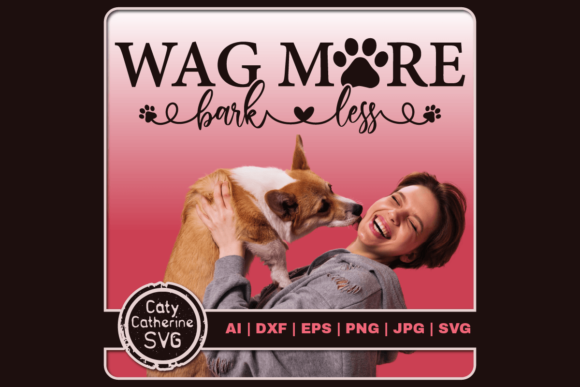
When I sit down to evaluate a new digital asset for my embroidery studio, I am rarely looking for just another pretty picture. I am looking for viability. Does this design translate well from a screen to the hoop? Will it hold up under the scrutiny of a customer who paid premium prices for a handmade item? Recently, I pulled Wag More Bark Less Inspirational Quote SVG Cut File by Caty Catherine into my workflow to see if it had the legs to become a staple in my small business inventory. The file comes as a versatile package including SVG, PNG, EPS, DXF, JPG, and AI formats, which immediately signals that this is designed with the modern maker in mind—someone who might use it for both machine embroidery and vinyl cutting.
First Impressions: Mood and Visual Personality
The phrase "Wag More Bark Less" is a classic for a reason. It speaks to authenticity, loyalty, and a relaxed approach to life. Visually, the design carries a warm, inviting energy. It doesn’t scream for attention; rather, it invites the viewer in. As a designer, I appreciate when typography and imagery work in harmony rather than competing for dominance. This layout feels balanced, making it highly adaptable. It creates a mood that is perfect for casual, everyday luxury. It feels like something you would want on your kitchen wall or worn on a weekend morning coffee run. The visual personality is friendly, approachable, and distinctly personal, which are key traits for successful personalized gifts.
Real-World Application: From Screen to Stitch
I took this design out of the digital realm and tested it in several real-life scenarios to see how it performs as a machine embroidery design. The first test was on a heavyweight cotton canvas tote bag. The text clarity remained sharp, and the contrast against the natural fabric was striking. For an Etsy seller, this is a low-risk, high-reward item. Tote bags are evergreen products, and adding this specific quote taps into the dog-lover demographic without being overly niche.
Next, I moved to apparel. A crewneck sweatshirt in heather grey felt like the ideal candidate. The design’s layout allows for a centered chest placement that looks professional and not cluttered. When thinking about custom apparel, fit is everything. This design has enough negative space around the letters to breathe, preventing that cramped look that often happens with dense text designs. It works equally well on a soft-touch poly-blend tee for a more casual vibe or on a structured cap for a branded look.
I also considered its potential in home decor. Embroidering this onto a linen pillow cover or a thick cotton tea towel brings a cozy, farmhouse aesthetic to any room. It is a fantastic addition to holiday embroidery collections, serving as a thoughtful gift for friends who value their pets. The versatility here is impressive; it bridges the gap between craft business merchandise and heartfelt, personal tokens.
Technical Performance and Stitch Quality
From a technical standpoint, the execution of this embroidery file is clean. The lettering appears to utilize a combination of satin stitch for outlines and fill stitch for solid areas, ensuring durability. However, as with any design assets, the final result depends heavily on your setup. I noticed that the curves in the lettering are smooth, which reduces thread breakage during high-speed stitching. The density seems moderate, meaning it won’t overwhelm lighter fabrics but will still provide good coverage on darker materials.
For those using this as an applique design option, the clear vector lines provided in the SVG and AI files make digitizing or tracing for applique straightforward. You can easily separate the background shape from the text if you wish to create a layered effect. The inclusion of DXF and EPS files is particularly useful for those who need to scale the design for larger projects or integrate it into broader graphic design workflows.
Where to Use It Carefully
No design is universal, and I have learned to respect the limitations of every file I import. There are specific situations where Wag More Bark Less Inspirational Quote requires caution. If you are working with a very small hoop size, such as 4x4 inches, you must ensure the text remains legible. Tiny lettering can turn into a blurry mess if the stitch density is too high or if the fabric shifts during stitching.
Avoid placing this on highly textured fabrics like bouclé wool or thick terry cloth unless you are experienced with stabilizers. The needle penetration might be inconsistent, leading to puckering. Similarly, stretchy knits require a strong tear-away or cut-away stabilizer to prevent the design from warping after washing. Dark fabrics can sometimes hide the details of lighter thread colors, so always test your thread colors against your base material. Curved surfaces, like the front panel of a baseball cap, demand precise digitizing to account for the curve; otherwise, the text may appear distorted.
Impact on Brand and Customer Trust
In the world of handmade goods, presentation is paramount. A well-executed finished product tells the customer that you care about quality. Using a design like this, which has clear sentimental value, enhances the emotional connection the buyer feels. It transforms a simple piece of clothing or a bag into a statement of identity. For small shop owners, this means higher perceived value. Customers are willing to pay more for items that feel unique and thoughtfully made.
Furthermore, the clean lines and professional layout contribute to brand consistency. Whether you are creating printable mockups for your online store or displaying physical samples at a craft fair, this design looks polished. It suggests professionalism, which builds trust. Buyers want to know that the embroidery project they are purchasing will survive the wash and maintain its shape. By testing thoroughly, you demonstrate that reliability.
Practical Designer Notes
Before you rush to produce hundreds of units, take these steps:
- Test on Scrap Fabric: Always stitch a sample on the exact fabric you plan to sell. Check for tension issues and color accuracy.
- Check Stitch Density: Ensure the design isn’t too dense for the fabric weight. Too much thread can cause puckering.
- Confirm Hoop Size: Verify that the design fits comfortably within your standard hoops to avoid unnecessary trimming.
- Review Small Details: Zoom in on the digital file to inspect corners and thin lines. Are they too fine for your machine’s capabilities?
- Use Proper Stabilizer: Match your stabilizer to your fabric type. Heavy fabrics need heavy support; light fabrics need delicate handling.
- Inspect Licensing: While the file includes commercial-use indicators, always double-check the specific license terms before selling finished items or digital previews.
Ultimately, Wag More Bark Less Inspirational Quote is a strong contender for any crafter’s library. It is practical, emotionally resonant, and technically sound. It fits seamlessly into the categories of Crafts and Graphics, offering endless possibilities for personalized gifts and commercial embroidery projects. If you are looking to add a touch of warmth and wit to your offerings, this design delivers.