When in Doubt Turn the Music Up Embroidery Review
As a designer who spends more time looking at stitch density and fabric grain than actual music, I have developed a very specific eye for what works when an SVG file becomes a tangible product. When I first pulled up When in Doubt Turn the Music Up, designed by Caty Catherine, I wasn't just looking at a quote; I was evaluating a potential bestseller for my own small shop. The concept is straightforward, but in the world of machine embroidery, simplicity is often where the real challenge—and the real reward—lies. This review breaks down how this design performs in real-world applications, from custom apparel to delicate baby items, helping you decide if it belongs in your digital library or on your next finished product.
The First Impression: Mood and Visual Personality
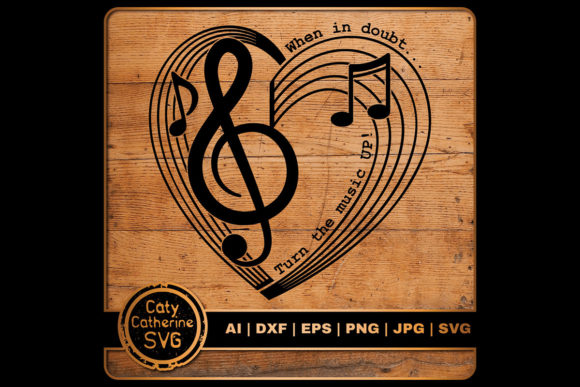
The immediate appeal of When in Doubt Turn the Music Up lies in its confident, retro-tinged energy. The combination of musical notation and a love heart creates a visual language that speaks to passion, rhythm, and emotion without being overly literal. For a craft business owner or Etsy seller, this is crucial. You want designs that communicate a feeling instantly. This design feels like a warm hug with a beat. It suggests joy, celebration, and a bit of playful attitude.
From a layout perspective, the balance between the text and the graphic elements is well considered. The musical notes act as decorative accents that guide the eye toward the central heart motif, creating a natural focal point. This isn't a design that screams for attention through chaos; instead, it invites the viewer in. It feels suitable for a wide range of audiences, from teenagers looking for unique streetwear to adults seeking personalized gifts for music lovers. The visual personality is approachable yet stylish, which is exactly what modern handmade consumers are looking for.
Real-World Application: Where This Design Shines
I recently tested this concept on a few different mediums to see how it translates from screen to fabric. The versatility of When in Doubt Turn the Music Up is one of its strongest assets. Here is how it performed in practical scenarios:
- Custom Apparel and Sweatshirts: This design has a strong presence on heavier fabrics. On a cropped sweatshirt or a classic crewneck tee, the heart and notes pop beautifully. The bold nature of the quote makes it perfect for statement pieces. It works particularly well as a chest-level placement or centered back print, offering a professional look that rivals mass-produced boutique clothing.
- Tote Bag Design: Canvas tote bags are a staple for any craft fair booth. The rectangular space of a tote allows the horizontal flow of the text to breathe. When stitched onto a sturdy canvas bag, the design adds a layer of personality that elevates a basic accessory into a branded item. It appeals to students, artists, and anyone who carries their daily essentials with flair.
- Baby Embroidery and Nursery Decor: Don't let the "music" theme fool you; this design also works softly for nursery projects. On a muslin blanket or a onesie, using softer thread colors can transform the bold quote into a gentle reminder of lullabies and love. It fits perfectly into the growing market for personalized baby gifts, where parents appreciate designs that reflect their family's interests.
- Holiday Gifts and Wedding Favors: During the holiday season, this design finds a natural home. It is ideal for Christmas stockings, gift tags, or even wedding favors for couples who share a love for music. The phrase itself lends itself well to celebratory contexts, making it a smart choice for seasonal inventory planning.
Technical Considerations and Stitching Clarity
For the serious embroidery designer, the devil is in the details. While the concept is strong, execution matters. When preparing When in Doubt Turn the Music Up for production, there are several technical factors to keep in mind to ensure the final product looks professional.
Stitch Density and Fabric Texture: Musical notation often involves fine lines and small dots. In machine embroidery, these can easily get lost if the stitch density is too low or if the fabric is too textured. If you are working with a thick boucle wool or a heavily distressed denim, you might find that the smaller details of the musical symbols lose their definition. In such cases, a high-quality stabilizer is non-negotiable to provide enough support for clean stitches.
Thread Color Contrast: The success of this design relies heavily on contrast. A white heart on a black shirt will read clearly, but a beige heart on a tan apron might disappear. Before committing to a large run, always test your thread choices. I recommend creating a black-and-white mockup of the design to check the value contrast before you even load the hoop. This simple step can save you from costly mistakes and unhappy customers.
Small Details and Tiny Lettering: If the design includes smaller text elements, be cautious about scaling it down too much. Tiny lettering can become illegible after washing, especially on items that see frequent use, like kitchen towels or athletic wear. Ensure that the smallest elements remain readable at the intended hoop size. If you are unsure about the minimum viable size, consult the original file specifications or test a reduced version on scrap fabric first.
Strategic Use Cases and Potential Pitfalls
While this design is versatile, it is not a one-size-fits-all solution. There are specific situations where When in Doubt Turn the Music Up might not perform as expected.
- Curved Surfaces: Attempting to embroider this design directly onto a curved surface like a baseball cap can be tricky. The flat layout of the design may distort when forced to conform to a curve, potentially warping the text or the heart shape. If you must use this on headwear, consider using a specialized cap frame and perhaps adjusting the design angle slightly.
- Stretchy Fabrics: Thin, stretchy knits can pucker if the design has large areas of fill stitch. Ensure you are using a cut-away stabilizer to prevent distortion over time. For lightweight jersey materials, a tear-away stabilizer might suffice for short-term wear, but it won't hold up to repeated laundering.
- Dense Stitch Areas: If the design includes dense satin stitches around the heart outline, be mindful of the needle penetration points. Too many passes in the same area can lead to needle breakage or fabric damage. Spread out the stitching where possible to maintain the integrity of the garment.
Final Verdict for Designers and Sellers
When in Doubt Turn the Music Up is a solid addition to any embroidery designer’s toolkit. It offers a blend of emotional resonance and visual clarity that translates well across various products. Whether you are creating personalized gifts for friends or building a catalog for your Etsy shop, this design provides a reliable foundation for high-quality finished products.
It is important to remember that while the digital file is the starting point, the magic happens in the stitching. Take the time to test on your specific fabric types, choose threads that complement the mood of the design, and always prioritize stability and clarity. By doing so, you can leverage the strengths of this design to create items that customers will love and cherish.
For those involved in the Crafts and Graphics industries, this design represents a smart investment of time and resources. It is adaptable, appealing, and technically sound when executed correctly. As you plan your next series of handmade products, consider how the rhythmic energy of When in Doubt Turn the Music Up can add value to your brand and engage your audience. It is more than just a quote; it is an invitation to celebrate creativity, one stitch at a time.