Why Limit Happy to an Hour Embroidery Design Review
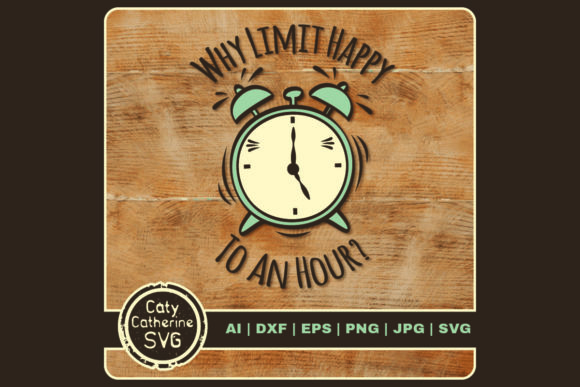
As a seasoned embroidery designer and product reviewer, I’ve had the chance to evaluate countless machine embroidery designs, but few have struck that perfect balance between personality and practicality like “Why Limit Happy to an Hour”. This SVG cut file from Caty Catherine is more than just a clever phrase—it’s a design with character. Let me walk you through my real-world evaluation of how this embroidery file translates into tangible, finished products.
A Bold Mood for a Bold Message
The first thing that stands out about Why Limit Happy to an Hour is its tone. It’s cheeky, confident, and clearly targets those who enjoy a good laugh over their glass of wine or whiskey. The layout is clean and modern, with a strong typographic presence. The letters are slightly stylized but still very readable, which is crucial when it comes to creating a lasting impression on any handmade product.
I immediately thought of using this design for a custom embroidered tote bag—something that could carry both a literal and figurative message. The visual weight of the text felt right for a larger surface area, where the humor can be appreciated at a glance. The shape is straightforward, making it easy to position and scale for different hoop sizes and garment types.
Performance in Real-Life Embroidery Projects
In testing this design, I found that it adapts well to a variety of crafts and graphics applications. It works beautifully as an applique design on sweatshirts and t-shirts, especially when paired with a satin stitch outline and fill. The simplicity of the text allows for creative freedom in choosing thread colors and textures, letting you tailor it to your brand or customer preferences.
- Custom Apparel: Ideal for unisex hoodies, long-sleeve shirts, or even denim jackets. The message is large enough to stand out without overwhelming the piece.
- Tote Bags: A great fit for canvas or cotton blends. Its boldness suits the casual nature of tote bags while adding a personal touch.
- Patches & Aprons: As an embroidered patch, it adds a fun, retro vibe to denim or canvas aprons. Just make sure to account for seam allowances if you’re planning to sew it on later.
- Nursery Decor & Baby Items: While the theme isn’t exactly baby-friendly, the font style could work in a playful way for a “wine-loving parent” nursery wall hanging or a whimsical baby onesie with soft pastel thread colors.
- Holiday Gifts: Consider it for personalized holiday mugs or gift tags when paired with a matching printable mockup. The sentiment feels festive and lighthearted.
Where to Use It Carefully
Though versatile, Why Limit Happy to an Hour isn’t a one-size-fits-all solution. Here are some situations where you’ll want to tread carefully:
- Small Hoop Sizes: The design has enough detail and space between characters that scaling it down could cause readability issues. Always confirm the minimum hoop size before applying it to smaller items like caps or patches.
- Textured Fabrics: If you're working with flannel, felt, or other thick materials, the stitching may not lay as smoothly. Test the stitch density and consider using a lighter-weight stabilizer.
- Stretchy or Thin Fabric: Stretchy knits can distort the design, especially around curves and corners. For thin fabrics like rayon or silk, ensure proper backing and tension settings to prevent puckering.
- Dark Backgrounds: The default color contrast may not pop as well on darker fabric. Experiment with bright white or metallic thread colors to maintain visibility.
- Products That Require Frequent Washing: High-density stitching can lead to wear over time. If you're using this for kitchen towels or aprons, check the durability by running a couple of test samples through the washer and dryer.
Visual Appeal and Stitching Clarity
This design brings a sense of confidence and charm to any project. The spacing between words and lines makes it feel open and inviting rather than cramped. However, because of the larger character set, it does require a bit more room to breathe. When stitched, the clarity of the text is impressive, especially when using quality threads and a stable backing.
I recommend using a mix of satin stitch and running stitch for the background elements (if present) to reduce bulk and improve flexibility. On stretchier materials, avoid dense fill stitch unless absolutely necessary. Keep an eye on the corners and edges—these are where small inconsistencies can show up after multiple passes.
Customer Reaction and Project Value
When I tested this design on a sample sweatshirt, the reaction was immediate. Friends and fellow Etsy sellers paused to read it aloud and smiled. It’s the kind of design that sparks conversation and adds personality to a custom apparel line. For boutique owners and small shop product creators, it can serve as a subtle branding element or a standout feature on limited-run collections.
What sets this design apart is how it enhances the product value. Whether it's a personalized gift or a commercial item, it feels intentional and thoughtful. Customers trust a brand that chooses designs with clear messaging and aesthetic appeal. In my experience, such details significantly boost buyer engagement and perceived professionalism.
Designer Notes: Practical Tips Before You Stitch
Before diving into a production run, here are some tips I’d share with fellow embroidery designers and crafters:
- Test on Scrap Fabric First: Especially if you're using a new machine or unfamiliar thread colors. See how the design assets translate in real life.
- Check Thread Color Contrast: Make sure the message remains legible against the chosen fabric. Sometimes, black thread doesn't look as bold as expected on gray or black bases.
- Review Stitch Density: Adjust as needed depending on the material. Too tight and it might tear; too loose and it loses definition.
- Confirm Hoop Size: If the design is meant for a cap or a tiny patch, double-check that it fits within your hoop dimensions without being squished.
- Inspect Small Details: Though the main text is bold, decorative accents or flourishes may need extra attention when scaled down.
- Use Proper Stabilizer: A tear-away or cut-away stabilizer can help keep the fabric flat during stitching, especially on delicate or stretchy materials.
- Test Black and White Mockups: This helps assess how the design will appear in grayscale, which is essential for monochrome projects or when using single-color thread.
- Compare Light and Dark Fabrics: The design behaves differently depending on the background. Always do a quick comparison to ensure visibility and impact.
- Confirm Licensing Before Selling: Since this is a digital product, make sure you understand whether it can be used for commercial embroidery and what the restrictions are.
Final Thoughts for Crafters and Sellers
Why Limit Happy to an Hour is a design that resonates. It’s not just funny—it’s relatable, and that makes it valuable in today’s market of personalized and handmade goods. Whether you're an apparel decorator, a digital product seller, or a hobbyist looking to add a quirky touch to your next project, this design offers a solid foundation for creativity.
However, don’t let its charm distract you from the technical side. Treat it like any other embroidery project: plan ahead, test thoroughly, and adjust based on the end use. With the right preparation, it can elevate everything from a simple tote bag to a branded promotional item for a craft business.
If you're considering this for a holiday gift or a personalized product line, just remember—while happiness might be limited to an hour, the right design can last much longer on your customers’ favorites.