It’s Not a Home Without Fur-Kids Embroidery Review
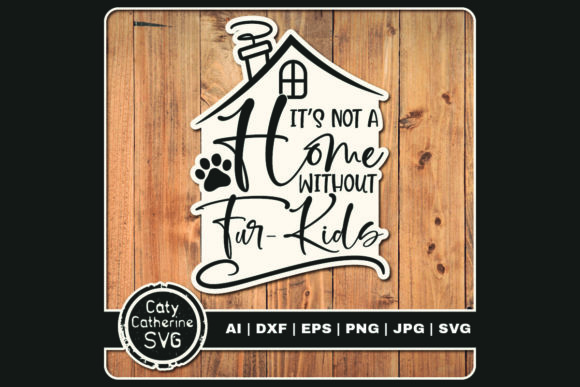
As a designer who spends more time than I care to admit staring at stitch density charts and testing thread tension, I approach every new digital asset with a healthy dose of skepticism. The market is flooded with generic clipart masquerading as professional embroidery files. However, when I first pulled up the It s Not A Home Without Fur-Kids Pet Quote SVG Cut File designed by Caty Catherine, my interest was immediately piqued. This isn’t just another text-heavy design; it is a sentiment-driven graphic that taps into one of the most powerful emotional triggers in the handmade market: the human-animal bond.
I am evaluating this design not just as a static image, but as a functional machine embroidery design ready for real-world application. Whether you are an Etsy seller looking to boost your shop’s visibility or a hobbyist preparing a heartfelt gift for a friend, understanding how this file translates from screen to fabric is crucial. Below is my practical breakdown of how this design performs, where it shines, and where you might encounter stitching headaches.
First Impressions and Visual Personality
The core strength of this design lies in its relatability. The phrase "It’s Not a Home Without Fur-Kids" speaks directly to pet owners, creating an instant connection before the needle even touches the fabric. From a layout perspective, the typography appears balanced, suggesting a design that prioritizes readability alongside aesthetic charm. In embroidery, legibility is king. If a customer cannot read the message within three feet, the design fails its primary purpose.
The visual personality here is warm, inviting, and slightly playful. It does not scream luxury; rather, it whispers comfort. This makes it an ideal candidate for personalized gifts, cozy home decor, and casual apparel. When I look at the file structure, I see potential for a versatile embroidery project that can adapt to various product types without feeling out of place. It feels like a design meant to be lived with, worn often, and displayed proudly.
Real-World Application: Where This Design Shines
In my experience, designs with strong emotional resonance perform best on items that serve as daily companions or sentimental keepsakes. Here is how I envision It s Not a Home Without Fur-Kids performing in specific scenarios:
- Custom Apparel and Sweatshirts: This quote is perfect for crewneck sweatshirts or hoodies. The soft, fuzzy texture of fleece complements the theme of warmth and pets. Placing this on the back of a sweatshirt creates a bold statement piece, while a left-chest placement offers a subtle nod to pet love. For sweatshirt embroidery, ensure you use a cutaway stabilizer to prevent the heavy fabric from puckering around the text.
- Tote Bags and Market Totes: Canvas tote bags are a staple for the modern crafter. This design works beautifully as a central chest print on a canvas bag. The durability of canvas allows for slightly denser stitching if needed, making the text pop. It serves as excellent tote bag design inspiration for Etsy sellers targeting dog or cat lovers who frequent farmers markets or bookstores.
- Kitchen Towels and Aprons: There is a charming irony in having a pet-themed quote on kitchen linens. It adds a touch of humor and personality to a functional item. On a tea towel or apron, this design becomes a conversation starter. Use high-contrast thread colors against neutral linen or cotton backgrounds to ensure the text remains sharp.
- Baby and Nursery Items: While the focus is on pets, many parents view their children as their "fur-kids" too, or they are buying for a sibling. A small, delicate version of this design on a baby blanket or burp cloth can be incredibly sweet. However, caution is advised regarding safety; avoid any design elements that might create rough edges near a baby’s skin.
- Embroidered Patches: Converting this text into a patch format is a smart move for commercial embroidery. Patches allow for greater creative freedom with background colors and shapes. You could add subtle paw prints or silhouettes around the text to enhance the visual appeal without cluttering the message.
Technical Considerations and Stitch Quality
Before committing to a full production run, several technical factors must be addressed. The quality of the underlying vector file determines how well it converts to an embroidery file. Since this is sold as an SVG, EPS, DXF, and PNG set, you will likely need digitizing software to convert it to your machine’s specific format (like PES, DST, or JEF).
Stitch Density and Stability: Text-based designs rely heavily on proper underlay stitches to keep the fabric stable. If the underlay is too light, the text may shift. If it is too dense, the fabric may pucker. I recommend testing the stitch density on scrap fabric that matches your final product. Pay close attention to the curves in letters like 'S', 'G', and 'Q'. These areas often require careful optimization to maintain smooth lines.
Thread Color Contrast: The success of any text design hinges on contrast. Dark threads on dark fabrics are a recipe for disaster unless you use metallic or reflective threads. Light threads on white fabric can look washed out. I suggest creating a printable mockup in black and white to visualize the contrast levels before selecting your actual thread colors.
Hoop Size Constraints: Always check the dimensions of the design against your available hoop size. If the design is wider than your hoop, you will need to reposition it or split the embroidery process, which can lead to alignment issues. Ensure the design fits comfortably within your machine’s reach to avoid trimming errors.
Where to Exercise Caution
Not every surface is suitable for this design. Here are areas where you should proceed with care:
- Stretchy Fabrics: Knits and stretchy synthetics require robust stabilization. Without proper support, the tension of the stitches can distort the garment, causing the text to wave or ripple. Always use a tear-away or cutaway stabilizer depending on the fabric weight.
- Small Hoop Sizes: Attempting to fit detailed text into a very small hoop can result in loss of detail. Tiny serifs or thin lines may disappear or merge together during stitching. If you are working with a 4x4 inch hoop, simplify the design or choose larger lettering.
- Textured Fabrics: Materials like terry cloth, corduroy, or heavily textured weaves can obscure fine details. The uneven surface makes it difficult for the needle to penetrate consistently, leading to skipped stitches or uneven coverage. Stick to smooth fabrics like cotton, denim, or polyester blends for the cleanest finish.
- Curved Surfaces: Embroidering on caps or curved panels requires specialized hoops and techniques. Flat text designs can look distorted on curved surfaces. Consider adjusting the curve of the text path to match the contour of the hat brim for a professional look.
Commercial Viability and Customer Appeal
For craft business owners and small shop products, this design offers strong commercial potential. Pet ownership is a massive demographic, and people love spending money on items that reflect their identity. This design hits that mark perfectly.
When listing this on platforms like Etsy or Shopify, emphasize the personalization aspect. Allow customers to choose their pet type (dog, cat, rabbit) or customize the color scheme. This level of customization increases perceived value and reduces returns due to mismatched expectations. Furthermore, using high-quality design assets like this helps build brand consistency. A polished, professionally stitched product signals trustworthiness to buyers.
The inclusion of multiple formats (SVG, EPS, DXF, JPG) also adds value. Customers who want to use the design for vinyl cutting or printing will appreciate the versatility. This cross-format utility makes it a valuable addition to any digital product seller’s inventory.
Final Verdict
The It s Not A Home Without Fur-Kids design by Caty Catherine is a solid, emotionally resonant choice for designers and crafters. It balances simplicity with sentimentality, making it accessible to a wide audience. Its performance will depend largely on your execution—specifically your choice of fabric, stabilizer, and thread.
My advice? Test it thoroughly. Start with a scrap piece of your intended fabric. Check the stabilizer adherence. Inspect the corners of the letters. Once you are satisfied with the test run, you can confidently produce finished products that customers will cherish. This is not just a graphics file; it is a tool for creating meaningful connections through handmade product craftsmanship. Proceed with confidence, and let your creativity guide the stitching.