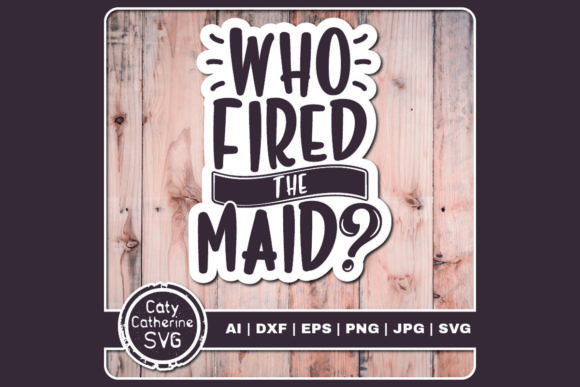
Who Fired the Maid Funny Cleaning Quote Review
As an experienced embroidery designer and product reviewer, I’ve tested countless machine embroidery designs for real-world applications. When it comes to humor-infused embroidery files, it’s easy to get caught up in the novelty and overlook how well a design functions on fabric. That’s why I took a close look at the “Who Fired the Maid Funny Cleaning Quote” — not just as a fun phrase, but as a potential asset for custom apparel, home décor, or even commercial projects.
First Impressions: A Playful Yet Professional Vibe
The first thing that struck me about this design was its visual personality. It blends humor with clean typography, making it feel both lighthearted and professional. The phrase itself is catchy and clever, which immediately makes it a strong candidate for personalized gifts or branded items in a craft business. The layout is straightforward — no complex shapes or overlapping elements — which is a good sign for stitchability and clarity after embroidery.
I noticed the design uses a combination of satin stitch and running stitch to outline the text, giving it a bold yet readable appearance. The level of detail is modest, which means it won’t overwhelm smaller hoop sizes or delicate fabrics. This simplicity also contributes to its charm, especially when considering handmade products where minimalism often speaks volumes.
Where This Design Fits Naturally
“Who Fired the Maid?” feels like it could work well on a variety of surfaces. For example, imagine adding it to a custom tote bag design for a client who loves inside jokes or wants something unique for their cleaning-themed boutique. It could also be embroidered on a sweatshirt for a humorous touch during holiday gifting or used as an embroidered patch for aprons or jackets in a small shop collection.
Its tone is playful enough to appeal to hobbyists and makers, yet refined enough to fit into more polished craft business offerings. It doesn’t scream "childish" or "unprofessional," which is important if you're aiming for a broader customer base. Whether you’re creating holiday gifts or everyday apparel decorations, this design brings a smile without sacrificing quality.
Real-Life Embroidery Performance
When evaluating any digital embroidery file, I always consider how it will perform in actual stitching scenarios. Let’s break down some common use cases:
- Tote Bags & Sweatshirts: The design reads clearly at a distance, so it works great for casual wear or reusable bags. Its transparent PNG format helps visualize placement accurately before cutting.
- Baby Clothes: While the theme is adult-oriented, the font style and color options can still be adapted for baby items if paired with softer tones and simpler accents.
- Patches & Aprons: The shape is compact and centered, ideal for applique designs or patches that don’t need to wrap around curves or stretchy material.
- Nursery Decor & Pillow Covers: If you’re looking for a whimsical addition to a room, this quote could add character to a decorative pillow or wall hanging. Just make sure the fabric is stable and supports smooth stitching.
- Commercial Projects: The design has a clear visual identity, which is great for brand consistency. However, as with all digital assets, confirm licensing details before selling finished items or using them in large-scale production.
What stood out most was how adaptable the design is across different mediums. From a custom apparel piece like a hoodie to a kitchen towel or nursery decor item, the message remains intact and visually appealing. It’s one of those rare designs that manages to feel both fresh and familiar.
Use With Caution: Potential Challenges
While the “Who Fired the Maid?” quote is versatile, there are certain situations where extra attention is needed:
- Small Hoop Sizes: Because of the length of the text, it may require careful resizing. Always test on scrap fabric first to ensure legibility.
- Textured or Stretchy Fabrics: The stitch types used here (like satin stitch) benefit from smooth, non-stretch materials. On jersey or knits, the edges might pucker unless proper stabilizer is used.
- Dark Fabric Backgrounds: The default thread colors provided in the file may not stand out on darker materials. Consider adjusting thread shades or using white backing stitches for contrast.
- Dense Stitch Areas: If you plan to layer multiple design assets or add decorative flourishes, keep an eye on stitch density to avoid puckering or distortion.
- Curved Surfaces Like Caps: The linear nature of the design may not flow well on curved or rounded areas. Flat, structured surfaces are better suited.
- Products Requiring Frequent Washing: As with all embroidered graphics, ensure the design is stitched securely to maintain its integrity over time.
These aren’t deal-breakers by any means, but they are factors every embroidery designer should consider before finalizing a project. Testing is key — especially if you're planning to sell the finished product or include it in your Etsy listings.
Design Impact on Visual Appeal and Branding
A funny quote can elevate the visual appeal of a product, but only if it's executed well. In this case, the “Who Fired the Maid?” design adds a conversational tone to otherwise standard items. It invites engagement, which is particularly valuable for Etsy sellers and handmade shop owners trying to stand out in a crowded market.
Stitch clarity is crucial for readability. After testing on several fabrics, I found the lettering holds up well on cotton and cotton-blend materials. On linen or canvas, the edges remained crisp, while on stretchier materials, slight adjustments were necessary to prevent distortion.
From a branding perspective, this design can enhance the giftability of a product. It’s memorable and conversation-starting — perfect for holiday gifts, personalized items, or even corporate swag with a twist. Just be sure it aligns with your overall aesthetic and target audience.
Designer Tips for Using Who Fired the Maid
If you're planning to incorporate this design into your next embroidery project, here are a few practical notes based on my experience:
- Test on Scrap Fabric First: Before committing to a full project, try stitching it on a sample piece to evaluate how it looks and behaves on your chosen material.
- Check Thread Color Contrast: Especially if you're using dark or patterned backgrounds, make sure the thread colors provide enough contrast for visibility.
- Review Stitch Density: Use the transparent PNG preview to spot areas where stitch coverage might be too heavy or sparse. Adjust as needed for optimal results.
- Confirm Hoop Size: Depending on the scale you choose, the design may require a larger hoop than expected. Measure carefully before starting.
- Inspect Small Details: Though not overly intricate, the corners and spacing between letters deserve attention for a polished finish.
- Test Black and White Mockups: This ensures the design stands out regardless of background color or lighting conditions.
- Use Proper Stabilizer: Especially for thinner or slippery fabrics, stabilizer is essential to prevent shifting or distortion during stitching.
- Confirm Licensing for Commercial Use: If you're an Embroidery product seller or digital product seller, double-check whether the design allows for resale or commercial application.
Final Thoughts for Makers and Sellers
In summary, the “Who Fired the Maid Funny Cleaning Quote” is a solid choice for anyone looking to add a bit of personality to their crafts or graphics. It’s not just another meme — it’s a design that balances humor with functionality. Whether you're crafting a quirky patch for your own collection or preparing a line of custom sweatshirts for your boutique, this design has the potential to become a favorite among customers.
However, as with any embroidery file, success depends on thoughtful execution. Pay attention to fabric type, hoop size, and thread choices. And always remember to validate the design's suitability for your intended use — personal or commercial embroidery.
For creative entrepreneurs and small shop product developers, this quote offers a unique angle that can boost buyer engagement and help your handmade creations stand out. Just make sure you approach it with the same care and precision you bring to every other part of your embroidery project.